Student Work
Handmade Disease Models
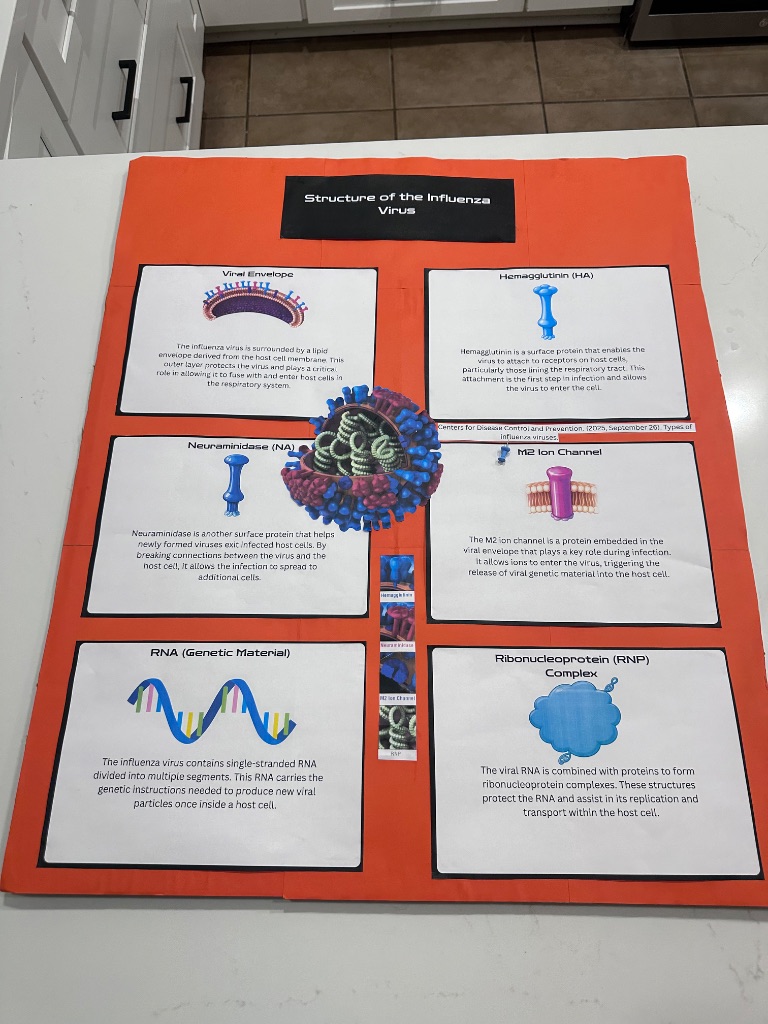
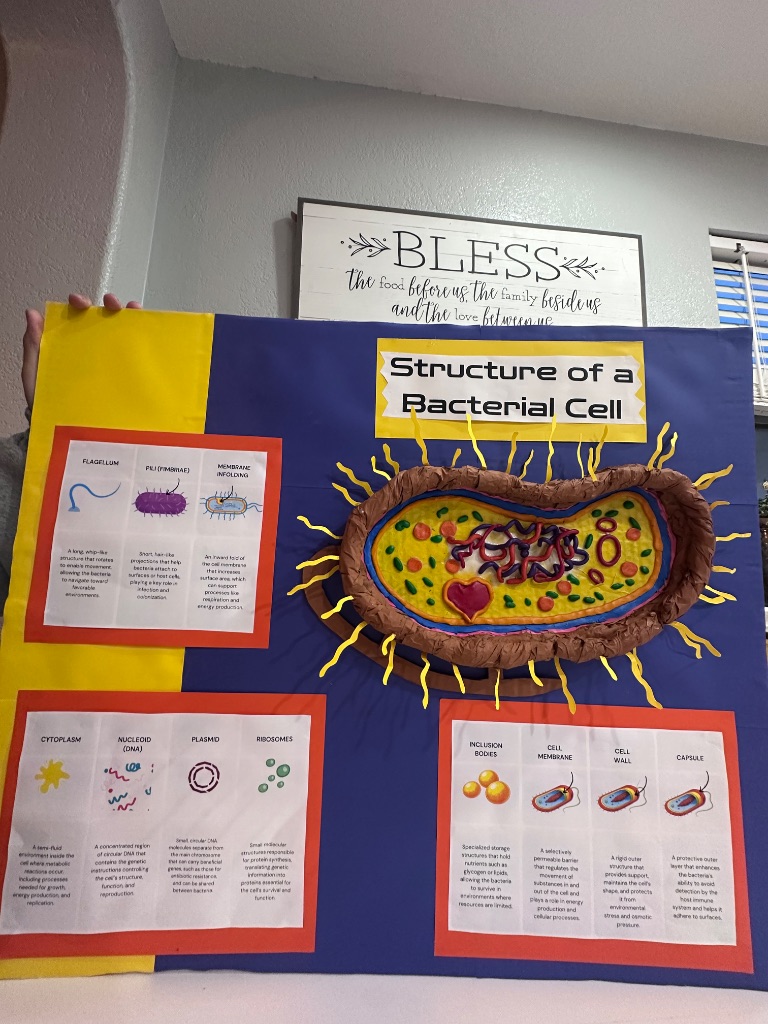
Physical models built from scratch to visualize pathogen structure — connecting microbiology to real-world public health in schools.
Understanding how infectious diseases spread in schools — and what students, teachers, and administrators can do to stop them. An evidence-based public health resource for every grade level.
Communicable diseases have a measurable impact on school attendance, student health, and learning outcomes across every grade level.
Each disease has three age-differentiated factsheets — written for elementary, middle school, and high school students.
A highly contagious respiratory virus that causes millions of school absences every year. Spreads easily through droplets in crowded classrooms.
Caused by the SARS-CoV-2 coronavirus, COVID-19 continues to affect school operations, attendance, and student well-being.
Respiratory Syncytial Virus is the leading cause of infant hospitalization and spreads rapidly in elementary settings and child care.
A highly contagious bacterial infection known for its severe coughing fits. Vaccination with DTaP/Tdap is the most effective prevention strategy.
The leading cause of stomach illness in schools. Outbreaks spread quickly through contaminated surfaces, food, and person-to-person contact.
This project presents information at three reading levels so everyone from kindergarteners to school nurses can benefit.
Simple words, fun visuals, and easy-to-remember hygiene tips for kids in grades K–5.
Moderate detail explaining how diseases work and why prevention habits matter for grades 6–8.
Scientific language, biology concepts, public health context, and research-backed data for grades 9–12.
School-focused information, prevention strategies, and links to official guidelines from CDC, WHO, and AAP.
Several factors make schools one of the most common places for communicable diseases to spread.
Classrooms concentrate many people in a small space for long periods, significantly increasing the chance of person-to-person transmission.
Viral particles spread more easily indoors. Inadequate ventilation allows concentrations to build, raising infection risk by up to 74% compared to ventilated spaces.
Students share desks, supplies, food, and social spaces, creating constant opportunities for respiratory droplets and surface contamination to spread pathogens.
Studies show only 28% of female and 8% of male students wash their hands with soap after using the bathroom, leaving many susceptible to infection.
Illness-related absences disrupt academic progress and access to school services like meals and therapy. 59% of school closure causes are respiratory illnesses.
Infections don't stay in school — sick students bring diseases home to families, caregivers, and vulnerable community members including infants and elderly.
To raise awareness of communicable diseases in school environments and promote evidence-based hygiene behaviors through age-differentiated public health communication.
Disease information is drawn from peer-reviewed sources including the CDC, WHO, and the American Academy of Pediatrics (AAP) — the gold standards of public health research.
Age-differentiated factsheets for 5 diseases, data visualizations on school illness trends, and a full bibliography of sources for further reading.
Physical models built from scratch to visualize pathogen structure — connecting microbiology to real-world public health in schools.